Corneal Cross Linkage (c3r)

Corneal Cross Linkage

Introduction

At Eye Care and Research Centre in Karan Nagar, we are known for delivering advanced and comprehensive eye care through experienced consultants and skilled surgeons. One of our specialized treatments is Corneal Cross-Linking (CXL), performed to strengthen and stabilize the cornea in patients with corneal thinning disorders.

This guide highlights the expertise of our specialists, Dr. Yasfir Bashir and Dr. Alia Gul, in providing safe and effective corneal cross-linking treatment.

What is Corneal Cross-Linking?

Corneal Cross-Linking (CXL) is an advanced and innovative procedure designed to strengthen the cornea, especially in conditions such as keratoconus, where the cornea becomes thin, weak, and irregular in shape.

The procedure involves:

  • Application of riboflavin (Vitamin B2) eye drops

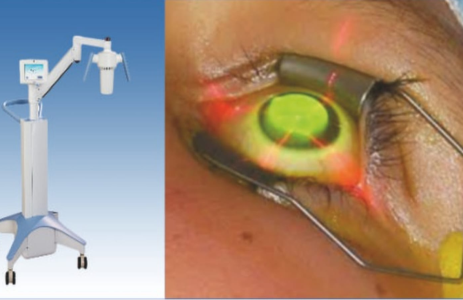
  • Controlled exposure to UV-A (ultraviolet) light

This combination helps create additional cross-links within corneal collagen fibers, improving corneal strength and stability.


Expert Consultants and Surgeons

Dr. Yasfir Bashir

Dr. Yasfir Bashir is a leading specialist with extensive experience in corneal treatments and advanced procedures like corneal cross-linking. His dedication to modern technology and compassionate patient care ensures safe treatment and excellent outcomes.

Dr. Alia Gul

Dr. Alia Gul, widely respected for her expertise in squint and pediatric ophthalmology, also provides advanced corneal care services including corneal cross-linking. Her patient-focused approach and commitment to quality treatment make her a trusted specialist in managing complex eye conditions.


Conditions Treated with Corneal Cross-Linking

Corneal cross-linking is commonly recommended for:

  1. Keratoconus
    A condition in which the cornea becomes thin and bulges outward, leading to distorted vision.

  2. Corneal Ectasia
    A complication that may occur after refractive surgeries, causing corneal thinning and instability.

  3. Infectious Corneal Ulcers (Selected Cases)
    In certain cases, cross-linking may support the treatment of infectious corneal ulcers under specialist guidance.


How the Procedure Works

1. Riboflavin Application

Riboflavin eye drops are applied to the cornea to enhance its absorption of UV light.

2. UV Light Exposure

The cornea is then exposed to controlled UV-A light, which activates the riboflavin.

3. Corneal Strengthening

New collagen cross-links are formed, improving the structural strength of the cornea and preventing further weakening.


Benefits of Corneal Cross-Linking

  • Stabilizes the Cornea
    Helps slow down or stop the progression of keratoconus and similar conditions.

  • Preserves and Improves Vision
    Prevents further corneal distortion, helping maintain better vision over time.

  • Minimally Invasive & Safe
    A quick outpatient procedure with minimal discomfort and recovery time.


Conclusion

At Eye Care and Research Centre, Karan Nagar, Dr. Yasfir Bashir and Dr. Alia Gul provide expert care in Corneal Cross-Linking (CXL) using advanced technology and patient-focused treatment. Their experience and dedication ensure the best possible outcomes for patients with corneal thinning and instability.

If you are considering corneal cross-linking or have concerns about your corneal health, we encourage you to schedule an appointment with our specialists. Together, we can help you achieve a clearer and brighter future.